For decades, Côte d’Ivoire has been defined globally by cocoa. As the world’s leading producer, the crop has shaped the country’s economic identity and export profile. Yet beneath its soil lies a quieter but increasingly powerful story one of gold, base metals, and strategic minerals that is reshaping Ivory Coast’s growth trajectory.
Over the past decade, the country has transitioned from a marginal mineral producer into one of West Africa’s most dynamic mining frontiers. Supported by regulatory reforms, political stability, and rising investor confidence, mining is steadily emerging as a second pillar of the Ivorian economy.¹
Gold: The Engine of the Mining Boom
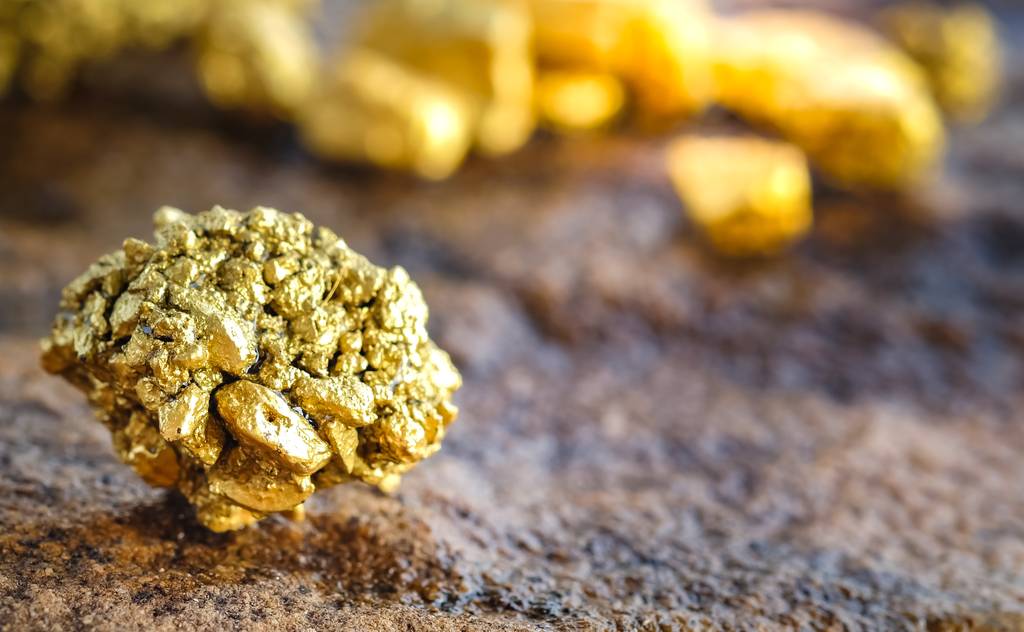
Gold sits at the heart of Ivory Coast’s mining expansion. National production reached a record approximately 51 metric tonnes in 2023, driven by new mine openings, expanding operations, and sustained exploration success across Birimian greenstone belts.¹
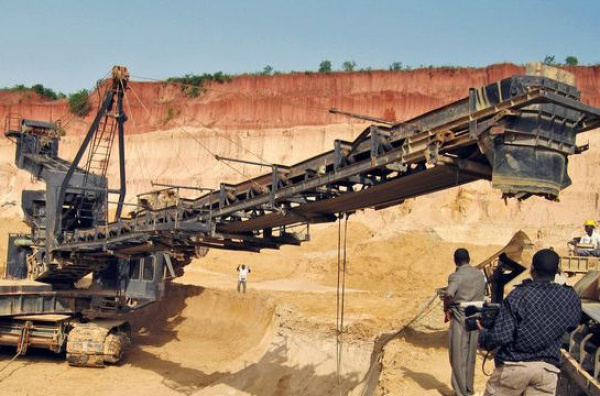
Major international producers—including Endeavour Mining, Barrick Gold, Perseus Mining, and Roxgold—anchor the sector, operating industrial-scale mines that have pushed Côte d’Ivoire into the upper tier of African gold producers. With additional projects under development and exploration activity accelerating, output is widely expected to continue rising in the medium term.²
Gold’s importance extends beyond exports. The sector contributes significantly to fiscal revenues, job creation, and regional infrastructure development—particularly in northern and central mining corridors.
Artisanal Mining and the Push for Formalisation
Alongside industrial operations, artisanal and small-scale mining (ASM) plays a major role in Ivory Coast’s gold economy. Tens of thousands of Ivorians depend on informal gold mining for livelihoods, especially in rural areas.
However, informality has long posed challenges, including environmental degradation, mercury use, revenue leakage, and weak traceability. In response, the government—working with the World Bank and development partners—has launched initiatives to formalize ASM, improve oversight, and integrate small-scale production into responsible international supply chains.³⁴
This effort is seen as critical not only for governance, but also for positioning Ivorian gold within increasingly strict global sourcing standards.
Diamonds, Coltan and Strategic Minerals
Diamonds remain part of Ivory Coast’s mineral mix, though production is modest compared with regional peers such as Sierra Leone or Guinea. Output is largely artisanal, contributing to local economies rather than national export volumes.
More strategically significant are critical and technology-linked minerals, including columbite–tantalite (coltan). While commercial production remains limited, geological surveys and exploration data suggest longer-term potential. As global demand for battery metals and electronics inputs accelerates, these minerals could elevate Côte d’Ivoire’s strategic relevance in future supply chains.
Base Metals and Industrial Minerals
Beyond precious and critical minerals, Côte d’Ivoire hosts a range of base and industrial minerals with development potential. Known deposits of manganese, nickel, bauxite, and iron ore have attracted intermittent investor interest.
Manganese and bauxite are considered the most near-term opportunities, supported by strong global demand and improving infrastructure links to ports. Iron ore and heavy mineral sands—such as ilmenite and rutile—remain at earlier exploration stages but continue to feature in national resource development plans.⁶
The government has prioritized geological mapping, licensing transparency, and permitting reforms to unlock investment across these segments.⁵
Energy, Infrastructure and the Resource Link
Although not a solid mineral, offshore oil and gas production plays a complementary role in Ivory Coast’s resource economy. Revenues from hydrocarbons help finance infrastructure, energy generation, and industrial capacity—critical enablers for mining development.
Together, mining and energy underpin a broader diversification strategy aimed at reducing reliance on cocoa exports and building resilience against commodity price volatility.⁶
Investment Climate, Regulation and Local Impact
Since 2012, Côte d’Ivoire has significantly expanded its exploration and mining permit framework, positioning itself as one of West Africa’s more investor-friendly jurisdictions. Regulatory reforms, relative political stability, and engagement with transparency initiatives such as EITI have strengthened confidence in the sector.⁵
Yet rapid growth brings challenges. Environmental protection, land access, community relations, and equitable revenue distribution remain central policy concerns. Authorities face mounting pressure to ensure mining translates into lasting local development—through jobs, infrastructure, and social services—while safeguarding ecosystems.
Why It Matters Regionally
Ivory Coast’s mining rise is reshaping West Africa’s investment landscape. Growing gold output alters regional trade flows, while efforts to formalize artisanal mining could serve as a governance model for neighboring states facing similar challenges.
For international miners, financiers, and multilateral institutions, Côte d’Ivoire represents a test case: can a fast-growing African mining economy balance expansion with transparency, sustainability, and inclusive growth?
Conclusion
Côte d’Ivoire is no longer only a cocoa economy. Gold dominates today’s mining headlines, but a broader suite of minerals—diamonds, manganese, nickel, bauxite, coltan, and iron ore—signals a deeper structural shift underway.
If regulatory stability, environmental stewardship, and community engagement keep pace with investment, mining could become a durable second pillar of national growth. The real question now is not whether Ivory Coast’s mineral wealth will shape its future—but how responsibly and how quickly that future will unfold.


One thought on “Ivory Coast’s Hidden Fortune: The Minerals Powering a New Chapter of Growth”