Under dense rainforest, thick savannah, and sprawling plateaus, République du Cameroun harbours vast, and still largely untapped, mineral wealth. As global demand surges for metals and raw materials, Cameroon’s geological fortune is receiving renewed attention. This article delves into the key minerals being commercially mined, or targeted for near-term production — and what this could mean for the country’s future.
A Diverse Subsoil: What Minerals Cameroon Has
According to the Ministry of Mines and Industrial Development (MINMIDT), Cameroon’s mineral endowment includes bauxite, gold, iron ore, diamonds, cobalt, nickel, quartz and other “industrial minerals.” (minmitd.com)
More detailed resource breakdowns, from investor guides, geologic surveys and mining authorities, highlight an even broader spectrum:
- Bauxite (aluminium-bearing ore) — major deposits at Minim‑Martap and Ngaoundal in the Adamawa region. (KPMG)
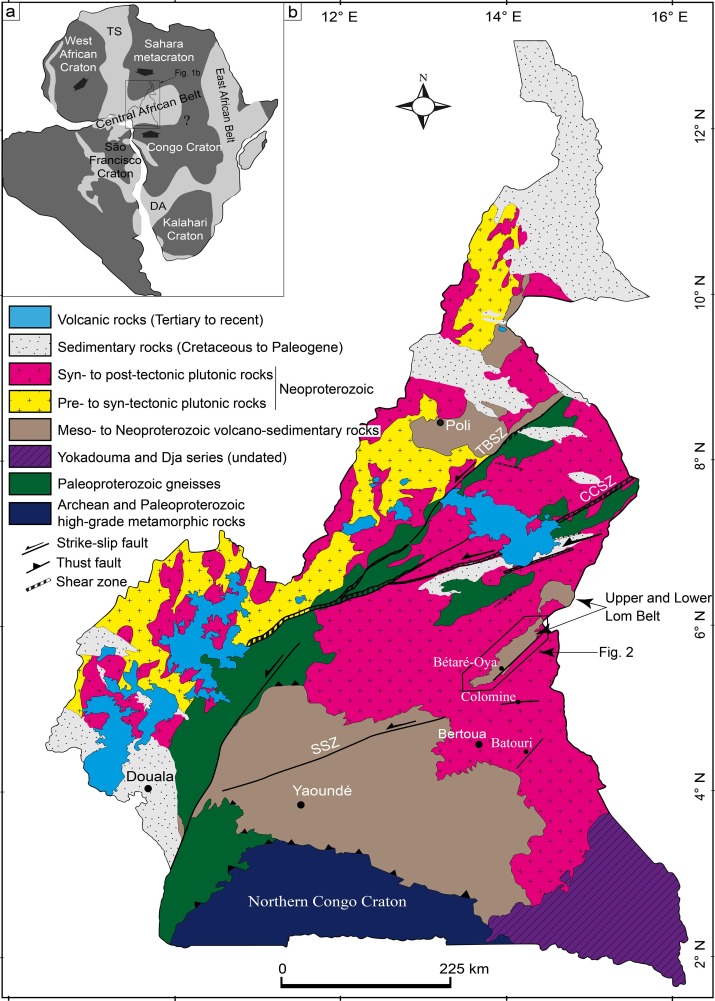
- Gold — largely from alluvial and eluvial sources, especially in eastern regions such as Bétaré‑Oya and other sites under exploration. (Natural Resouce Info)
- Iron ore — deposits at Mbalam (East), Nkout (South), and near coastal sites such as Ngovayang / Kribi. (Wikipedia)
- Diamonds — artisanal and small-scale mining of alluvial deposits, such as around the Mobilong mine near the East Region. (Wikipedia)
- Cobalt and Nickel — notably in the Nkamouna / Lomié zone in the eastern part of the country. (minmitd.com)
- Rutile (Titanium-bearing mineral), industrial minerals (like quartz, kaolin), limestone, pozzolana and other quarry materials across various regions. (Preprints)
Thus, Cameroon’s subsoil contains a broad mosaic, from precious and base metals to industrial and construction minerals.
Commercial Projects & The State of Exploitation
Though Cameroon’s mineral wealth is huge, industrial-scale mining has historically lagged behind potential. The sector remains, in many ways, nascent. (Mondaq)
But there are signs of acceleration:
- In September 2024, MINMIDT granted a formal exploitation permit for the bauxite deposit at Minim-Martap to the junior-miner company Canyon Resources (via its subsidiary). (investiraucameroun.com)
- Iron-ore mining permits have recently been issued for major deposits, for example at Mbalam and coastal sites like Kribi / Lobé — signalling a push to launch large-scale iron exports. (SikaFinance)
- Artisanal mining remains vital, especially for gold and diamonds, providing income and livelihoods in rural zones while formal industrial mines are still being developed. (Wikipedia)
In short, some large projects are coming online or about to start; much remains prospective or in early development, but momentum seems to be building.
Strategic Importance: Why These Minerals Matter
Cameroon’s mineral repertoire aligns well with both domestic industrial needs and global commodity demand:
- Bauxite & Iron Ore: feed into the construction, metals and infrastructure sectors, critical for a country aiming at industrialisation and urban growth. Bauxite may support local aluminium production; iron ore underpins steel-making capacities.
- Gold & Diamonds: high-value exports that can boost foreign-exchange earnings quickly, especially if the value chain is formalised (rather than remaining artisanal/ informal).
- Cobalt & Nickel: minerals increasingly strategic for global “green” technologies (batteries, electric vehicles, renewable energy storage), positioning Cameroon to become part of global supply chains.
- Industrial Minerals & Quarry Materials: limestone, pozzolana, clays, etc., necessary for domestic infrastructure, cement production, housing, roads; essential for improving living standards and building resilience.
Thus, exploited wisely, Cameroon’s mineral endowment could contribute to economic diversification, infrastructure development, export earnings, and industrialisation.
Challenges: Why Riches Haven’t Fully Materialised
Despite the promise, significant obstacles remain:
- Underdevelopment of infrastructure: many deposits lie far from ports or transport networks; weak roads/rail and poor access complicate large-scale mining and export. (cameroonuktradehub.com)
- Predominance of artisanal mining: which often lacks environmental safeguards, transparency, and value-added processing, limiting potential earnings and raising social/environmental risks. (Preprints)
- Need for investment and capacity: turning reserves into production requires capital, technical expertise, and regulatory clarity; many deposits remain in the “potential / exploration” stage. (Mondaq)
- Environmental and social concerns: as seen in recent coverage of community worries over bauxite mining plans, especially around displacement, ecosystem disruption, and threats to pastoral livelihoods. (fr.mongabay.com)
What’s Next: The Road Ahead for Cameroon’s Mining Sector
Cameroon seems poised at a turning point. With new mining permits, renewed investor interest, and global demand for metals and minerals, particularly “green-tech” metals, there’s a real opportunity to build a robust mining sector. For success, this should be accompanied by:
- Strategic infrastructure development (transport, ports, rail) to link mines to markets.
- Formalisation and regulation of artisanal mining, to ensure environmental compliance, fair compensation, and value retention.
- Investment in local processing and value-addition (e.g., refining bauxite, processing ore) to capture more value domestically.
- Transparent mining governance and community engagement, to ensure that mining contributes to sustainable development and social well-being.
References
- Cameroon Ministry of Mines and Industrial Development — official listings of key minerals. (minmitd.com)
- “Cameroon Strategic Mineral Investment Guide”, MINMIDT investor guide. (minmitd.com)
- Industry overview: “Mining in Cameroon – looking for an opportunity”, African Mining Online. (africanmining.co.za)
- Latest permit issuance news: “Bauxite de Minim-Martap : le Cameroun délivre son 4ᵉ permis d’exploitation …” (Investir au Cameroun, 2024). (investiraucameroun.com)
- Resource distribution and deposits: comprehensive lists from natural-resources directories. (Natural Resouce Info)
- Report on socio-environmental concerns around new bauxite exploitation. (fr.mongabay.com)