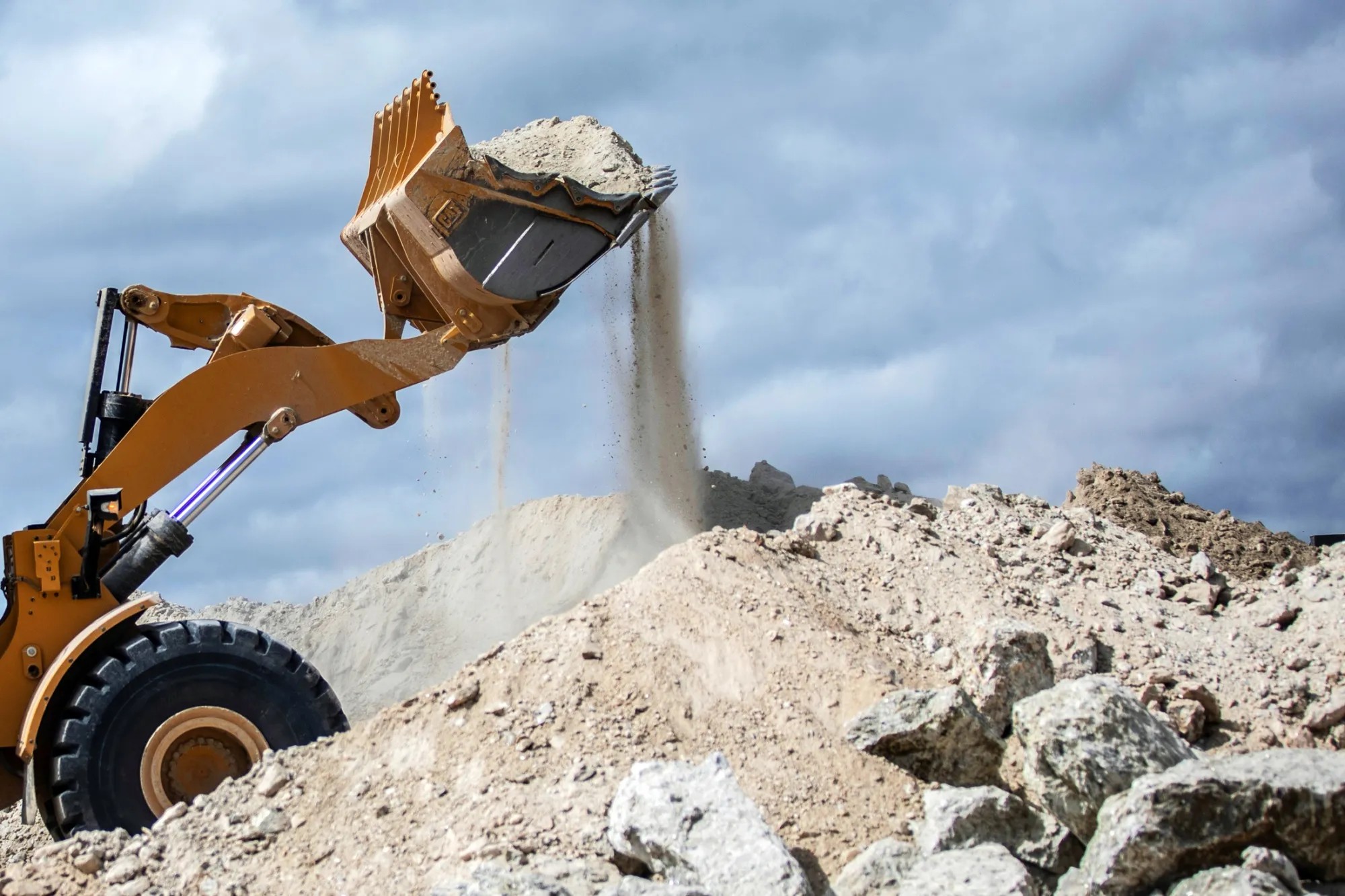
Nigeria is widely known for oil and gas, but beneath its soil lies a far broader mineral wealth that policymakers and private investors are now racing to unlock. From the goldfields of the north to limestone beds that could feed a domestic cement industry, Nigeria sits on dozens of commercially attractive minerals, many of which are already mined at scale or are the focus of new exploration drives. (portal.minesandsteel.gov.ng)
What’s being mined: the commercial list
While Nigeria hosts more than 40 different mineral types in various states, the minerals that have attracted commercial mining activity and formal licensing in recent years include: gold, iron ore, limestone, coal, lead-zinc, tin, columbite (niobium), barite, gypsum, kaolin, bitumen, salt, and industrial clays. In addition, strategic and high-demand commodities such as lithium and other battery-related minerals have gained attention from explorers and foreign partners. These commodities appear repeatedly in Ministry of Mines and Steel Development inventories and in international mineral summaries. (portal.minesandsteel.gov.ng)
Regional hotspots and examples
- Gold: Artisanal and small-scale gold mining is concentrated in states such as Zamfara, Kaduna, and Niger. Formal exploration has expanded after regulatory reforms and interest from domestic and foreign companies. (Voronoi App)
- Tin, Columbite and Lead-Zinc: Historically mined in the Jos Plateau and parts of the north-central region, these metals supported small industrial hubs in the mid-20th century and remain important to Nigeria’s mining heritage and current licence portfolio. (Nairametrics)
- Limestone and Gypsum: Large limestone deposits underpin the country’s cement industry; states in the southwest and middle belt host many commercial quarries. (portal.minesandsteel.gov.ng)
- Bitumen: Significant bitumen occurrences in the Niger Delta and coastal states could support domestic bitumen processing for road construction and export markets. (bangkok.foreignaffairs.gov.ng)
Scale, economics and recent reforms
Despite its endowment, Nigeria’s solid-minerals sector has contributed only a small fraction of GDP, well under 1% in recent years, largely because of underinvestment, regulatory fragmentation and a historical focus on hydrocarbons. The federal government has responded with licensing reforms, revocation of dormant titles to free up acreage, and international cooperation agreements aimed at modernising exploration and attracting capital. In 2024 and 2025, the government revoked large numbers of dormant mining titles and signed collaboration pacts (for example, with South Africa) to accelerate geological mapping and attract investment. Those policy moves are explicitly intended to help the country scale commercial production of gold, limestone, lithium and other priority minerals. (Reuters)
Strategic minerals and the global context
Global demand for certain minerals, notably battery metals such as lithium and critical industrial metals, has sharpened interest in Nigeria’s resources. International datasets and the U.S. Geological Survey’s Mineral Commodity Summaries identify Nigeria among countries with meaningful occurrences of various industrial and precious minerals, making the country a potential supplier as global supply chains diversify. Nigerian authorities are positioning select minerals as strategic for industrialisation and export diversification. (U.S. Geological Survey)
Environmental and social considerations
Scaling mineral production brings environmental and social responsibilities. Small-scale and artisanal mining, in particular, has been linked to land degradation, water pollution and health risks where operations are informal. Nigerian reforms emphasise formalisation, environmental regulation and local beneficiation (processing within the country) as ways to capture more value and reduce harms. Civil society audits and industry reviews have called for stronger oversight and transparent revenue reporting to ensure communities benefit from mining proceeds. (neiti.gov.ng)
Opportunities and bottlenecks
The opportunities are clear: with properly implemented reforms and investment, Nigeria could expand non-oil revenue, create jobs across mining and downstream industries, and support infrastructure development. The bottlenecks remain access to capital, geological data gaps, the need for local processing capacity, and the regulation/compliance environment. Recent government steps — licensing cleanup, incentives for investors, and international partnerships for geological mapping — aim to tackle these issues, but outcomes will depend on implementation and investor confidence. (msmd.gov.ng)
Conclusion
Nigeria’s subterranean wealth is no longer merely a catalogue of potential — it is a target for commercial development. Gold, iron ore, limestone, tin, columbite, coal, barite, bitumen and a host of industrial minerals are already on the country’s production and licensing map. Whether mining becomes a meaningful engine of diversification will rest on policy follow-through, accountable governance, and measured investments that balance economic gain with environmental protection and community benefit. (portal.minesandsteel.gov.ng)
References
- Ministry of Mines and Steel Development — Strategic Minerals / MarketPlace. (portal.minesandsteel.gov.ng)
- U.S. Geological Survey — Mineral Commodity Summaries 2025 (overview and commodity chapters). (U.S. Geological Survey)
- NEITI — Solid Minerals Industry Audit / Solid Minerals Industry Audit Report 2023. (neiti.gov.ng)
- Reuters — “Nigeria revokes 924 dormant mining titles, seeks new investors” (Apr 24, 2024). (Reuters)
- Reuters — “Nigeria signs minerals pact with South Africa in diversification push” (Apr 17, 2025). (Reuters)